




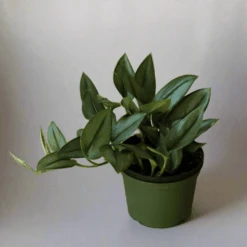
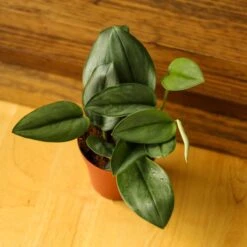
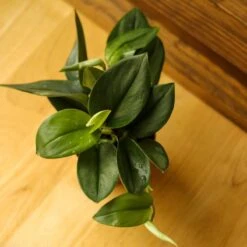

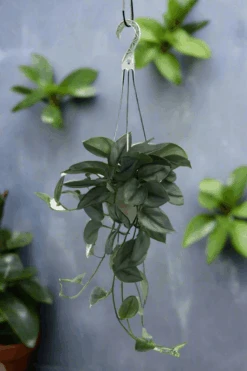
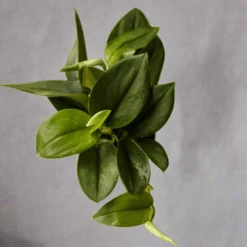
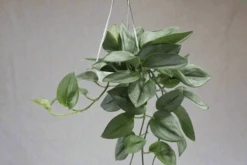
Scindapsus Treubii ‘Moonlight’ – Silver Scindapsus
Original price was: $29.99.$20.99Current price is: $20.99.
- Free Shipping over $25
- Safe Payments, Happy Customers
- 7 days free returns
- Quality and Affordability Combined

Scindapsus treubii ‘Moonlight’ — A Rare Silver Beauty for Collectors
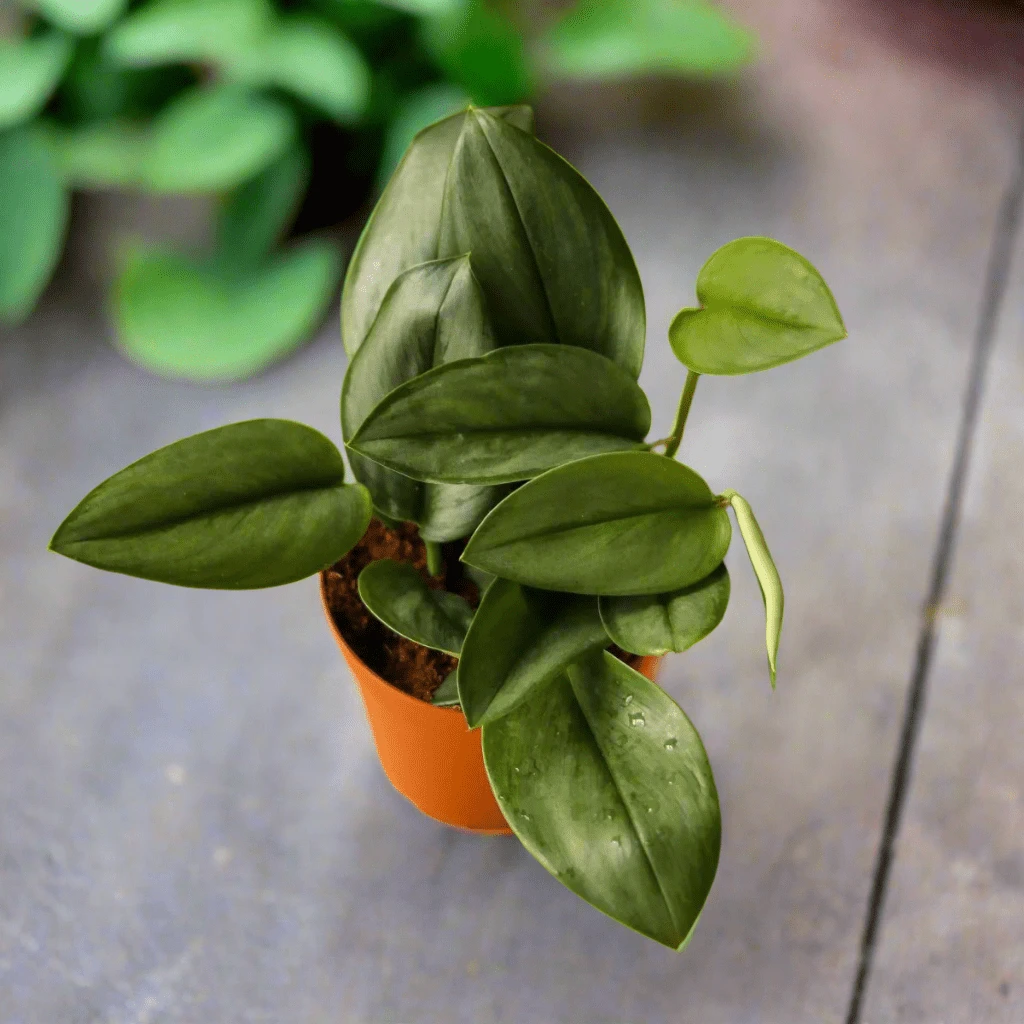
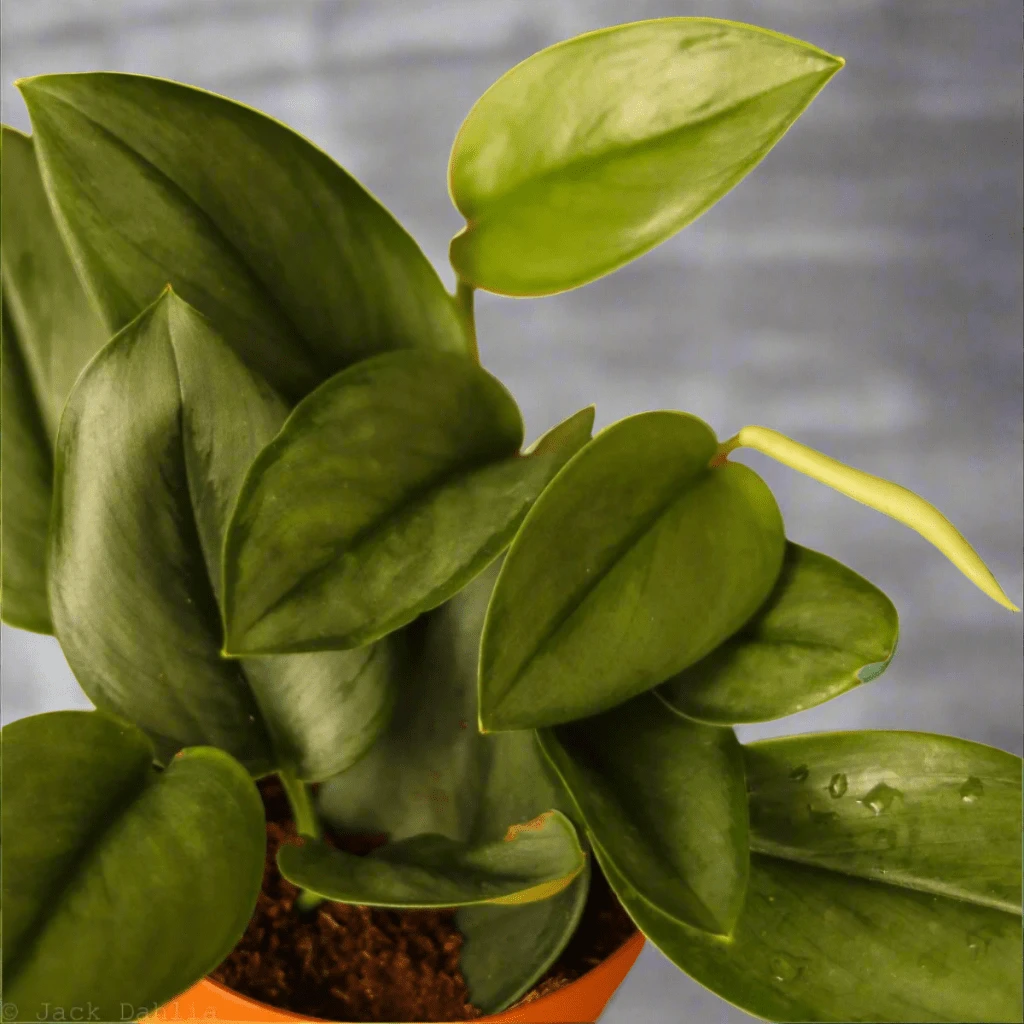
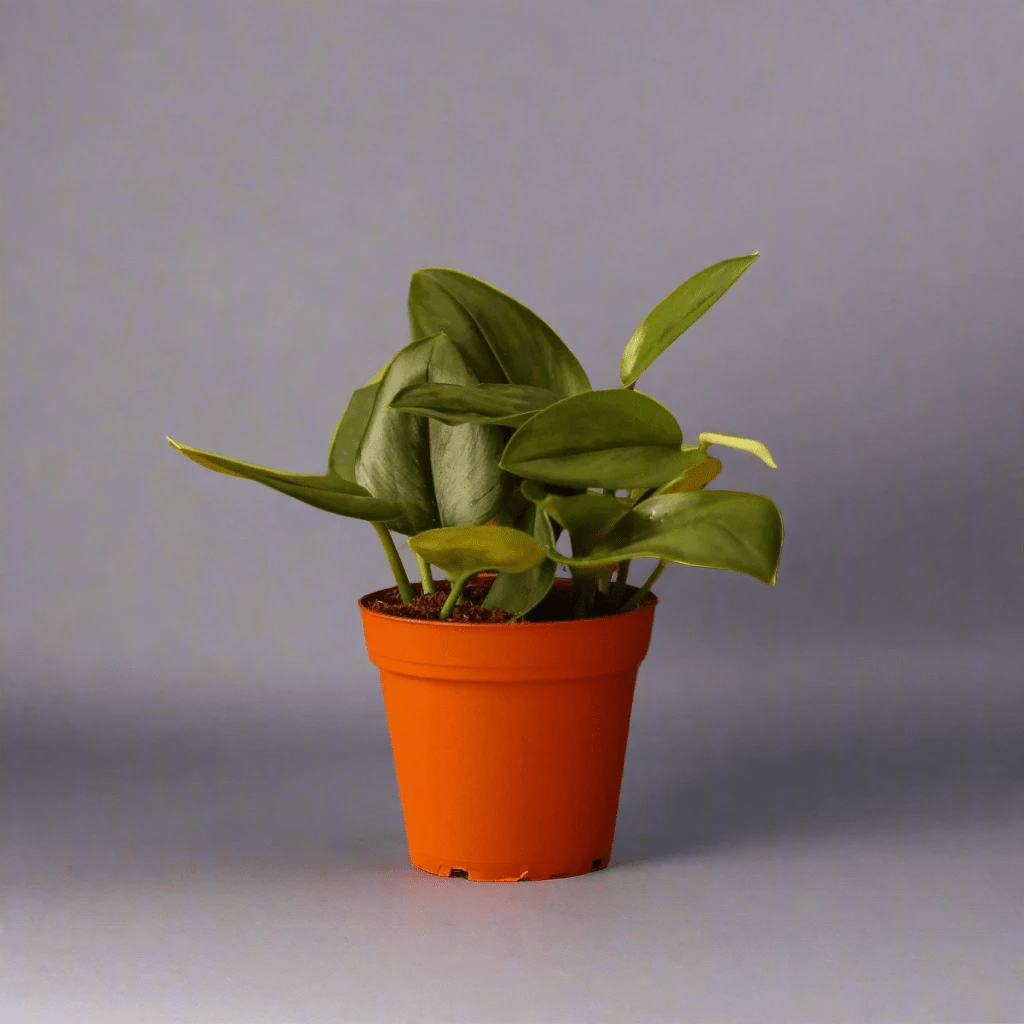
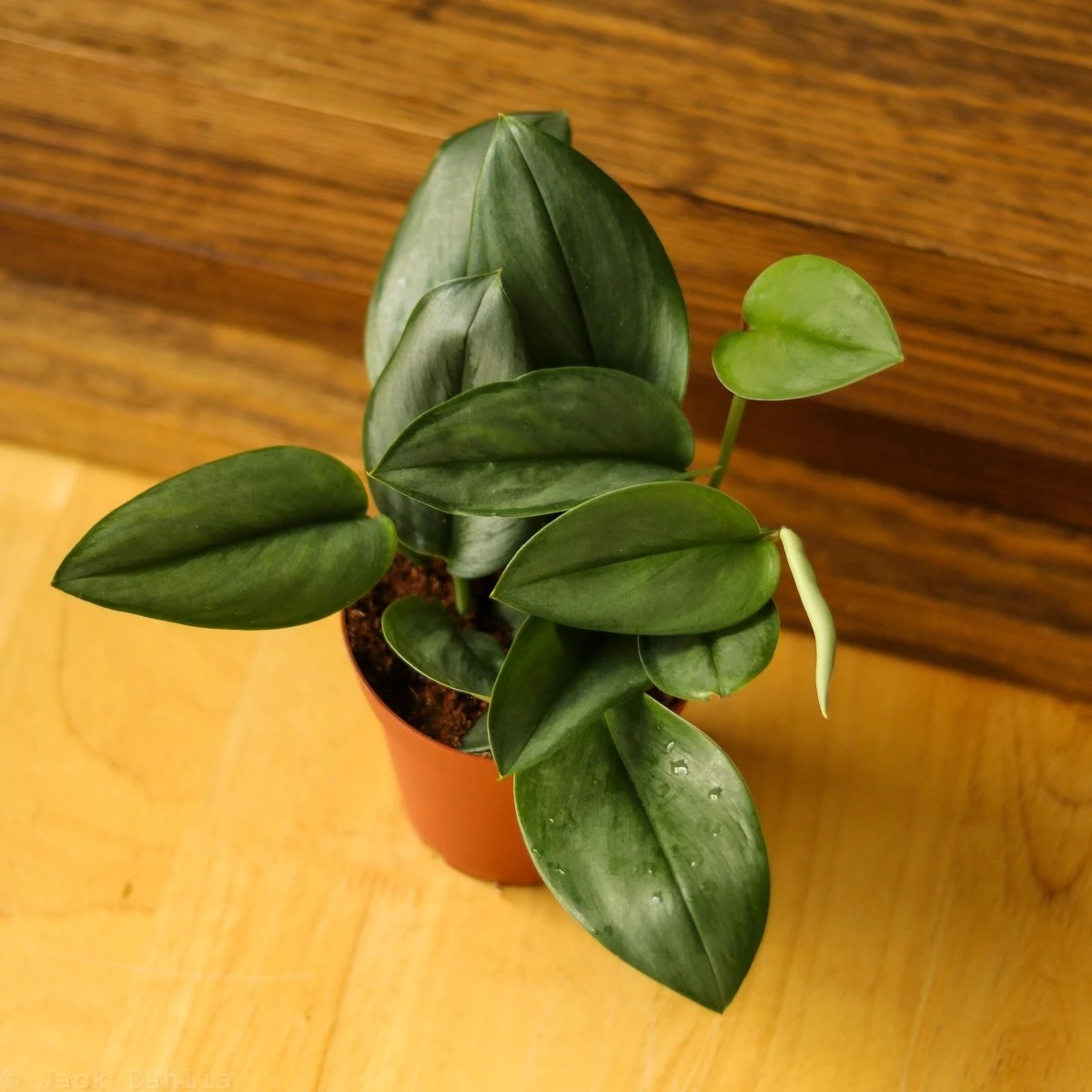
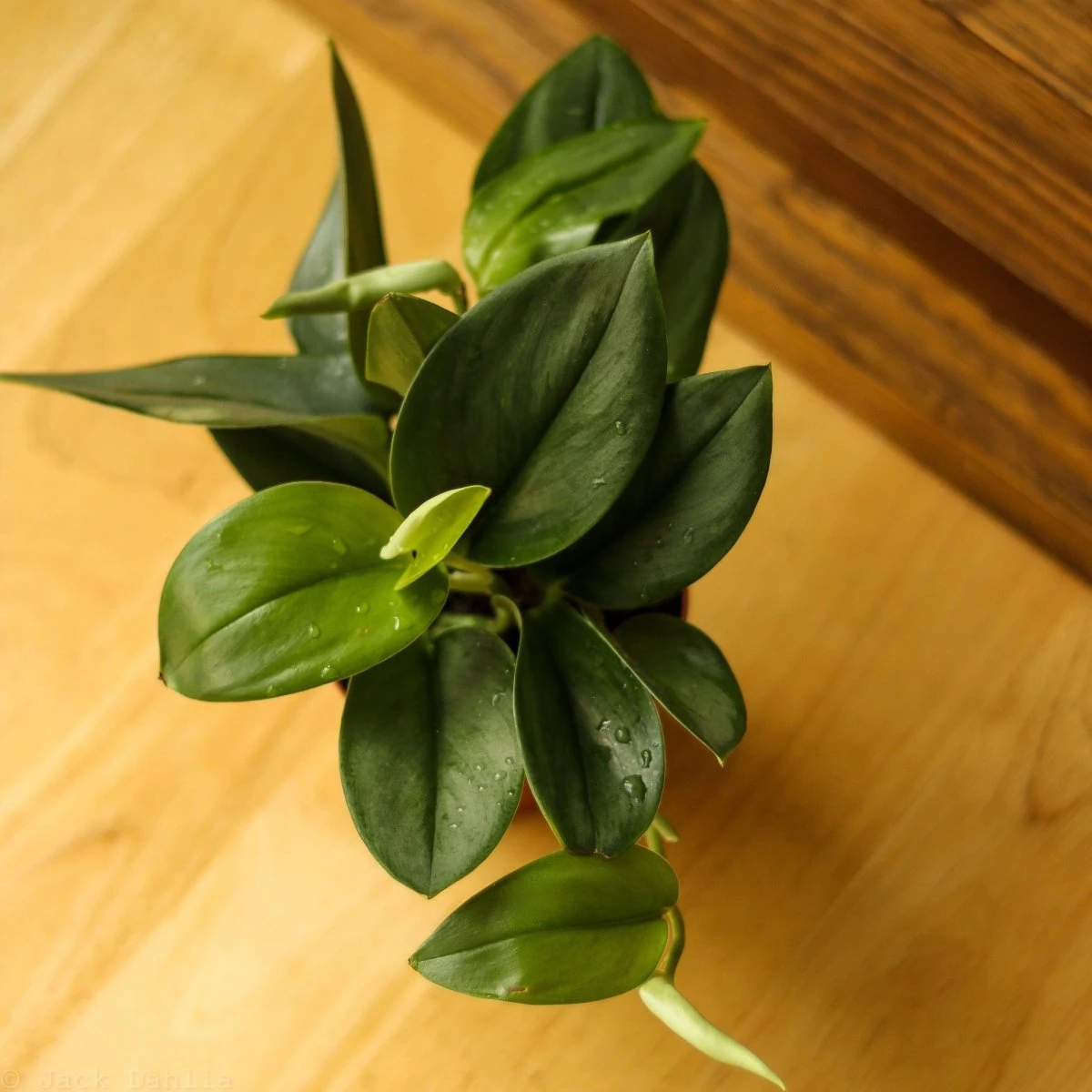
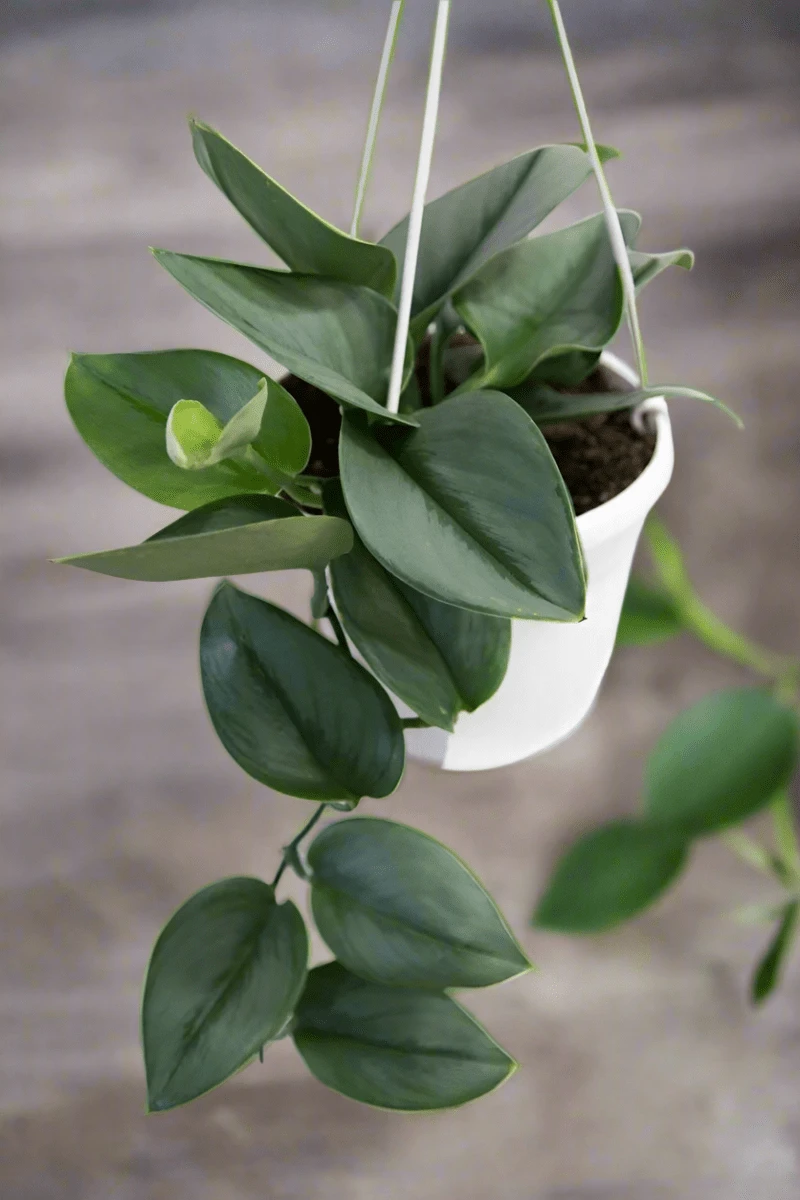
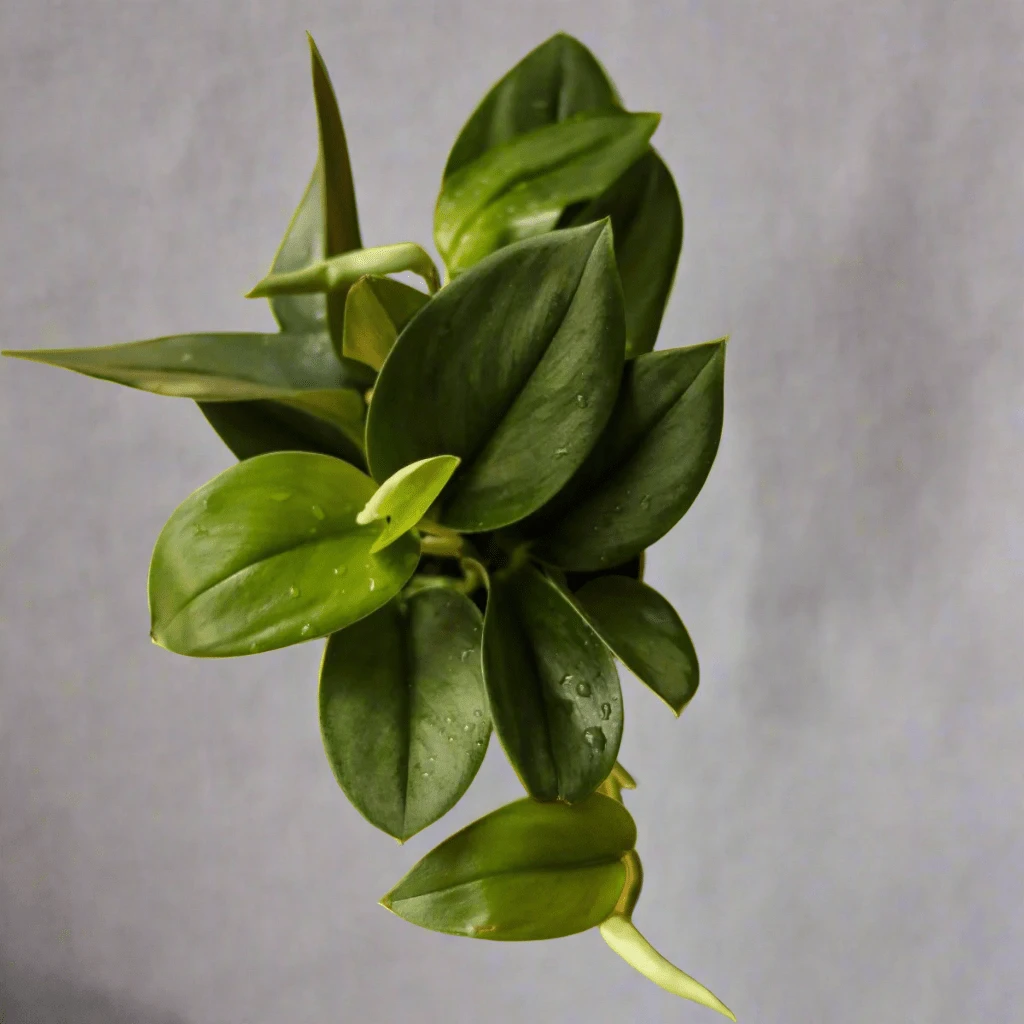
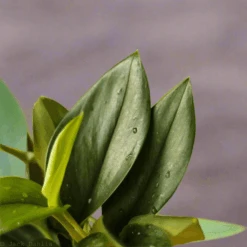
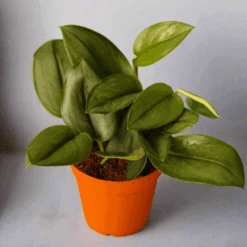
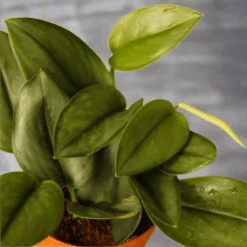
Moonlight Scindapsus (Scindapsus treubii ‘Moonlight’) is a true collector’s gem, admired for its thick, shimmering silver leaves and elegant growth pattern. Native to the tropical rainforests of Indonesia and Borneo, this slow-growing species stands apart from the more common Scindapsus pictus with its solid, satin-like foliage and refined silhouette.
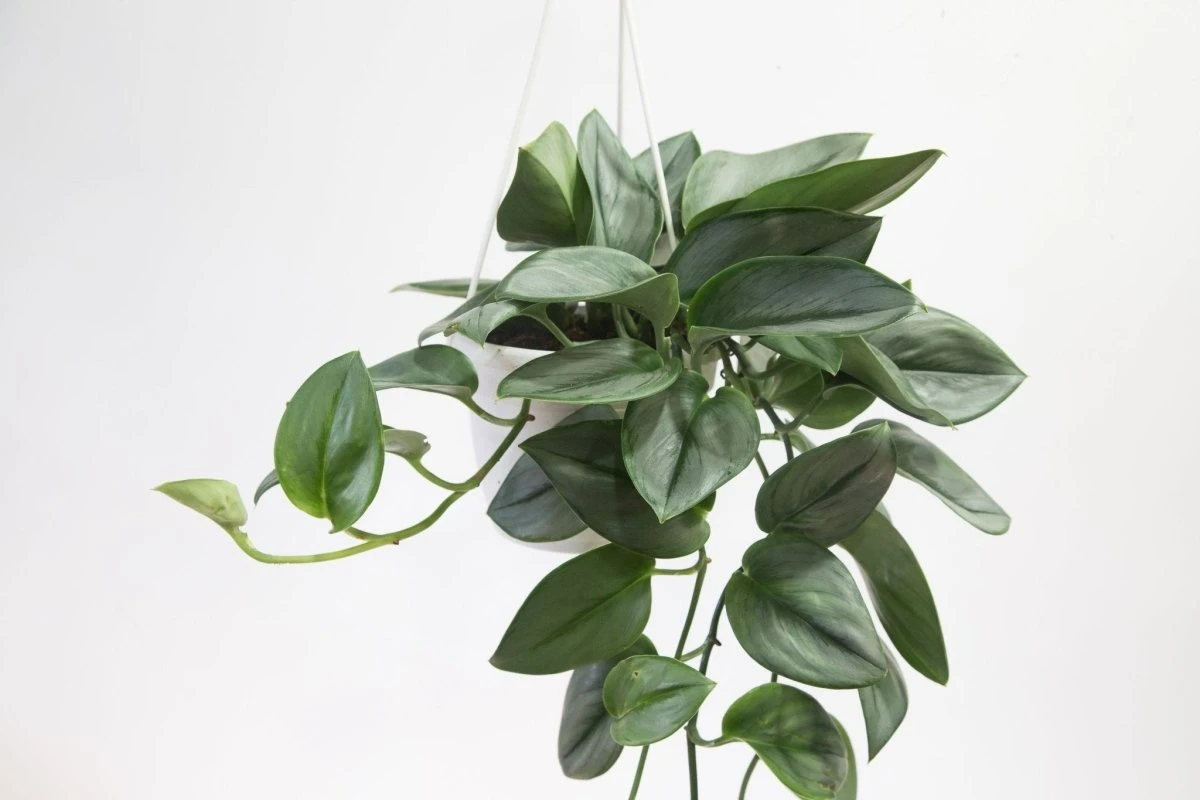
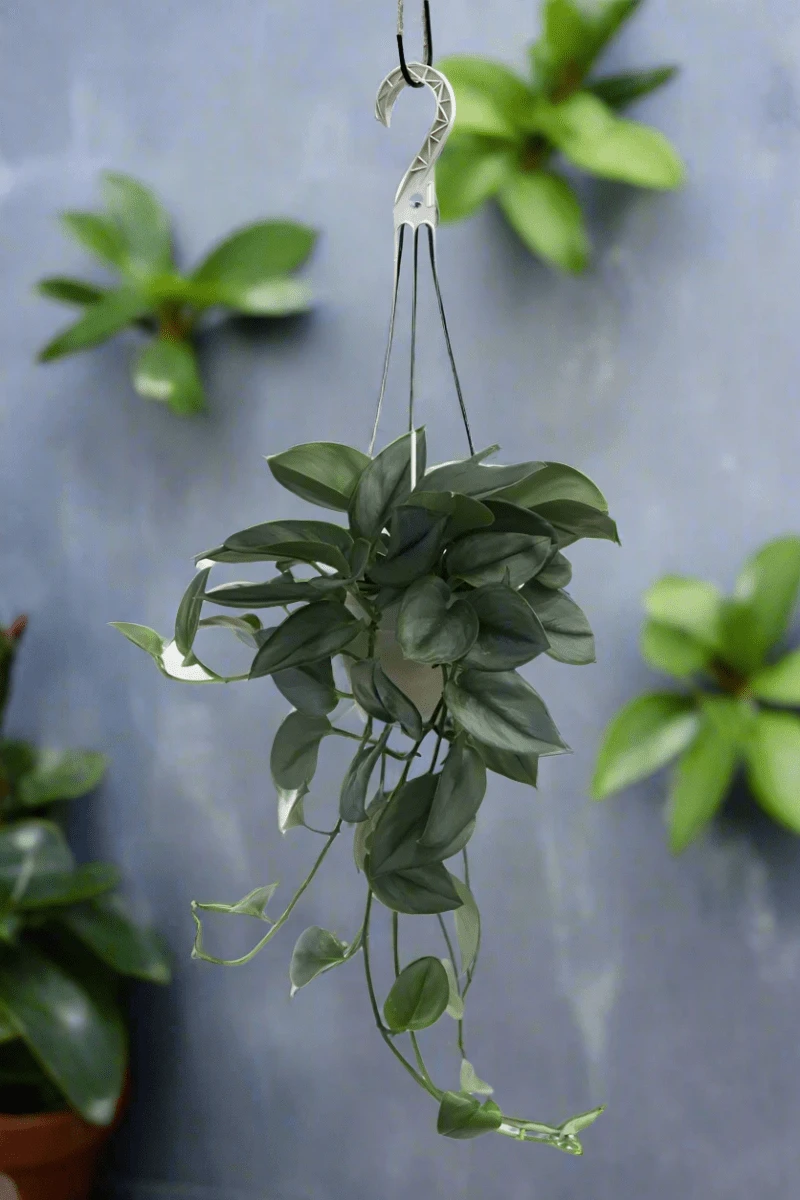
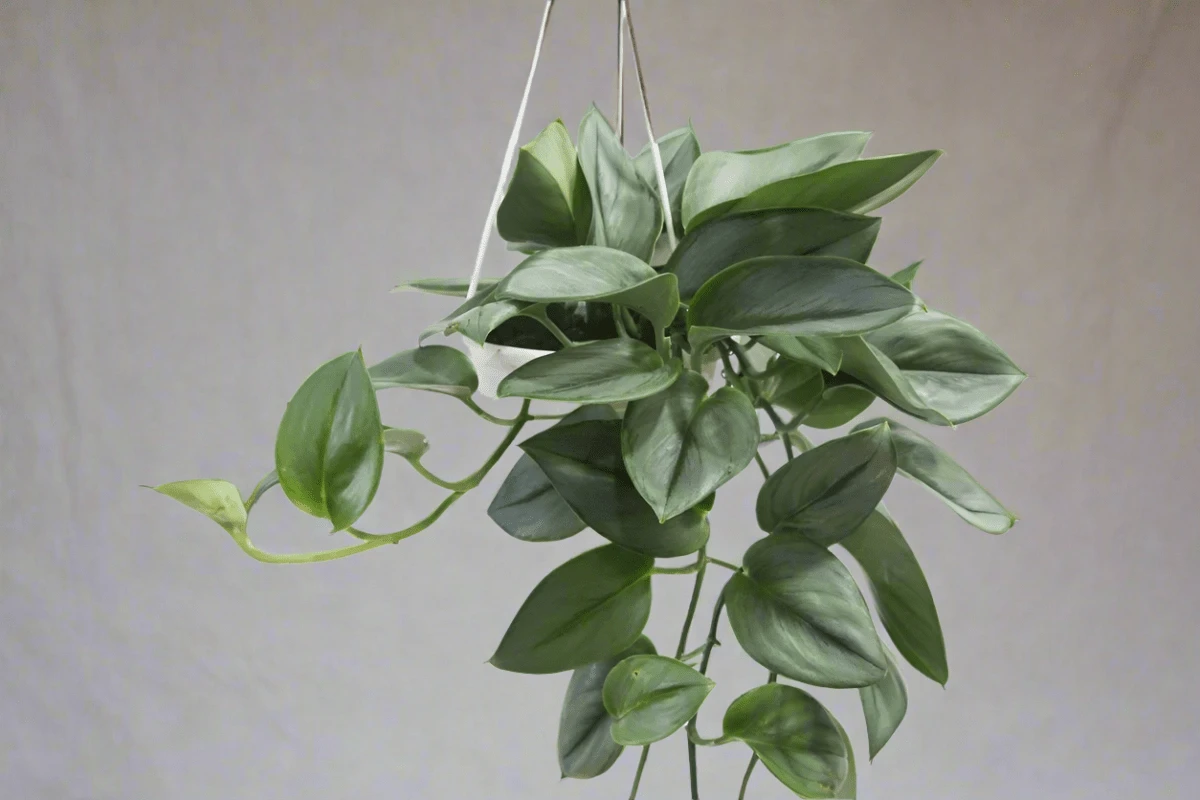
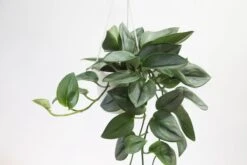
Each leaf reflects a subtle metallic glow that brightens any plant shelf or hanging display. Its compact form makes it ideal for small spaces, while its trailing habit shines on trellises or moss poles. A must-have for anyone who appreciates understated botanical luxury.
Why Collectors Love the Moonlight Scindapsus
- Striking, smooth silver foliage with a soft metallic sheen
- Highly sought after and rarely available in larger sizes
- Slow, compact growth creates dense, sculptural foliage
- Pairs beautifully with variegated Scindapsus pictus types such as ‘Exotica’ and ‘Silvery Ann’
Plant Profile
- Botanical Name: Scindapsus treubii ‘Moonlight’
- Common Names: Moonlight Scindapsus, Sterling Silver Scindapsus
- Family: Araceae
- Origin: Indonesia & Borneo
Care Tips
Light
Prefers bright, indirect light to maintain its silvery glow. It will tolerate medium light, though the leaves may appear darker and growth will slow slightly.
Water
Allow the top 1–2 inches of soil to dry between waterings. Good drainage is essential—avoid letting the roots sit in water to prevent rot.
Humidity & Temperature
This tropical species thrives in humidity levels of 60% or higher. Keep it comfortable between 65–75°F and away from cold drafts or heat vents.
Soil
Use a chunky, well-draining aroid mix—something with peat moss, perlite, and orchid bark works perfectly. This blend keeps roots aerated and reduces overwatering risks.
Feeding
During the active growing season (spring through summer), feed monthly with a balanced liquid fertilizer diluted to half strength.
Growth Habit
Expect a slow but steady vining growth, reaching up to 3 feet over time. Perfect for hanging baskets or vertical climbing on a moss pole.
For the Passionate Plant Collector
The Moonlight Scindapsus adds rare silver tones to any collection and complements other species like Scindapsus pictus ‘Argyraeus’ or Exotica. Its luminous foliage catches light beautifully and offers a sleek contrast to green or variegated varieties.
Pest & Toxicity Notes
- Generally resistant to pests but may occasionally attract mealybugs or spider mites—wipe leaves regularly to prevent buildup.
- Toxic if ingested by pets or humans, so display out of reach of curious companions.
Bring Home the Silver Moonlight
Elegant, rare, and remarkably easy to maintain, the Moonlight Scindapsus deserves a place in every collector’s lineup. Add one to your home and enjoy the calm, silvery glow it brings to your indoor garden.
Scindapsus treubii ‘Moonlight’ FAQ
Is Scindapsus ‘Moonlight’ the same as Pothos?
They’re close cousins but not the same. While both are in the Araceae family, Scindapsus treubii ‘Moonlight’ has thicker, satin-silver leaves and a slower growth rate than Epipremnum aureum (Pothos). It’s often mistaken for Pothos due to its vining habit, but the texture and coloration are distinct.
Why are my Moonlight Scindapsus leaves turning green?
Insufficient light can reduce the silver overlay, causing leaves to look greener. Move your plant to bright, indirect light to restore its metallic sheen. Avoid direct sun, which can scorch foliage.
How fast does Scindapsus ‘Moonlight’ grow?
It’s a slow grower. Expect compact, steady growth rather than long vines. In warm temps, good humidity, and bright light, new leaves unfurl every few weeks in spring/summer.
Can I propagate my Moonlight Scindapsus?
Yes. Take a cutting with at least one node, then root in water or a chunky, well-draining mix. Keep humidity high and light bright. Growth is patient, not fast.
What soil mix works best?
A chunky aroid blend: peat or coco coir + perlite + orchid bark. This keeps roots aerated and reduces overwatering risk.
Is Scindapsus ‘Moonlight’ pet-safe?
No. It’s toxic if ingested by pets or humans. Display out of reach of curious companions.
| Size | 4" Nursery Pot, 6” Nursery Pot, 3.5" Nursery Pot, 2.5" Nursery Pot |
|---|
Be the first to review “Scindapsus Treubii ‘Moonlight’ – Silver Scindapsus”
Related products

Hanging Basket Arrangements

Bright Indirect Light Houseplants
Cacti & Succulents
Cacti & Succulents
Hanging Basket Arrangements
Pet-Friendly Plants
Low-Maintenance Plants
Hanging Basket Arrangements
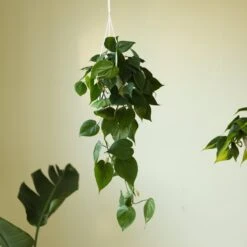
Philodendron Hederaceum ‘Heartleafed Philodendron’ Hanging Basket
Reviews
There are no reviews yet.