



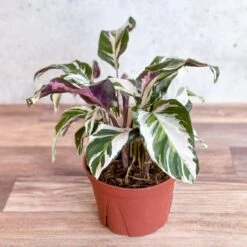
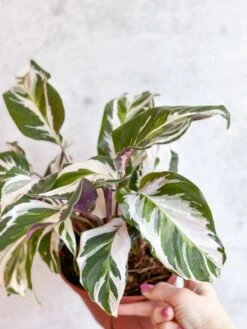
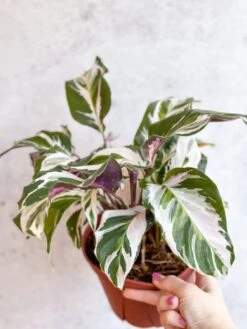
Calathea Lietzei ‘Stella’ – Stella Calathea
Original price was: $39.99.$27.99Current price is: $27.99.
- Free Shipping over $25
- Safe Payments, Happy Customers
- 7 days free returns
- Quality and Affordability Combined

A Distinctive Variegated Beauty for the Serious Plant Collector
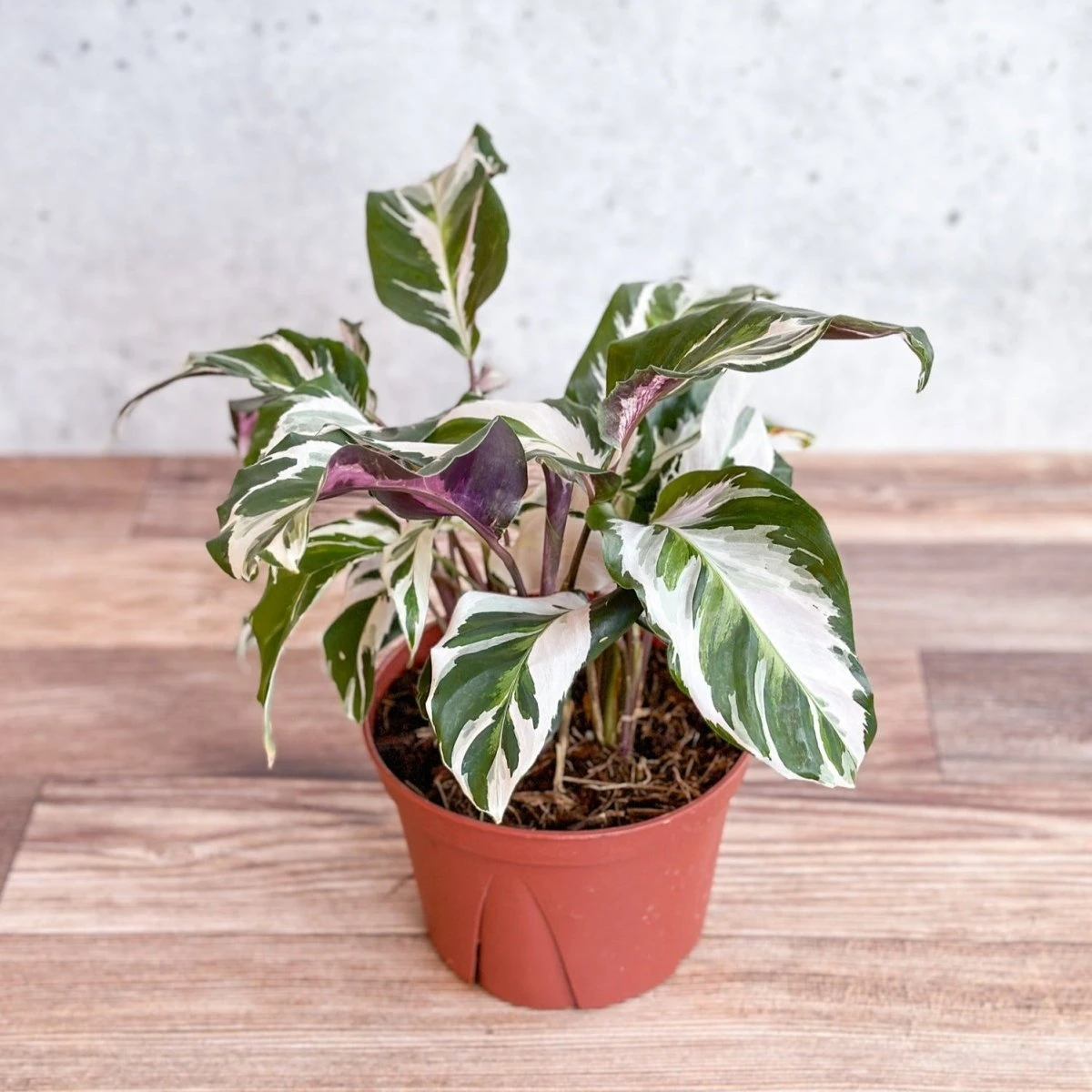
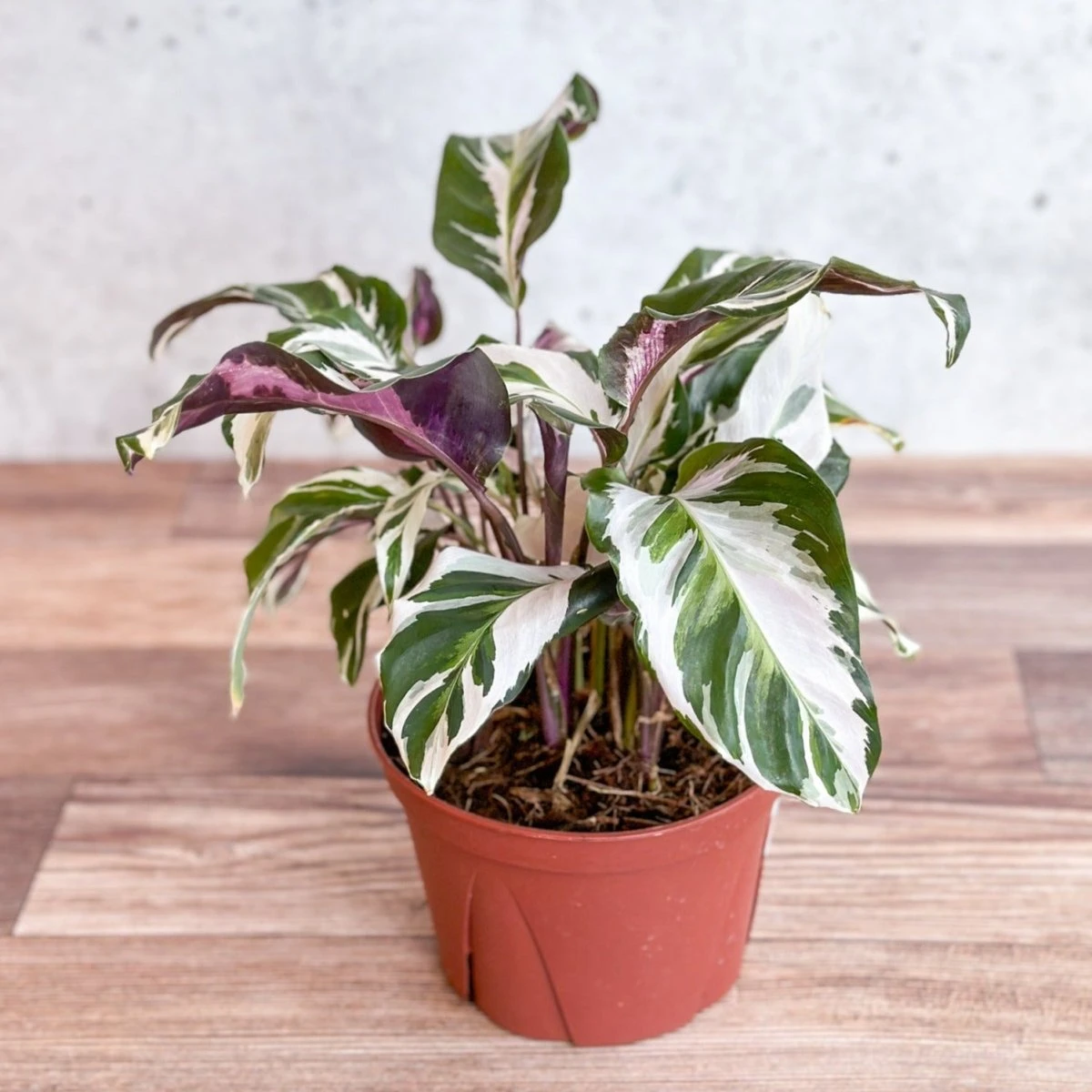
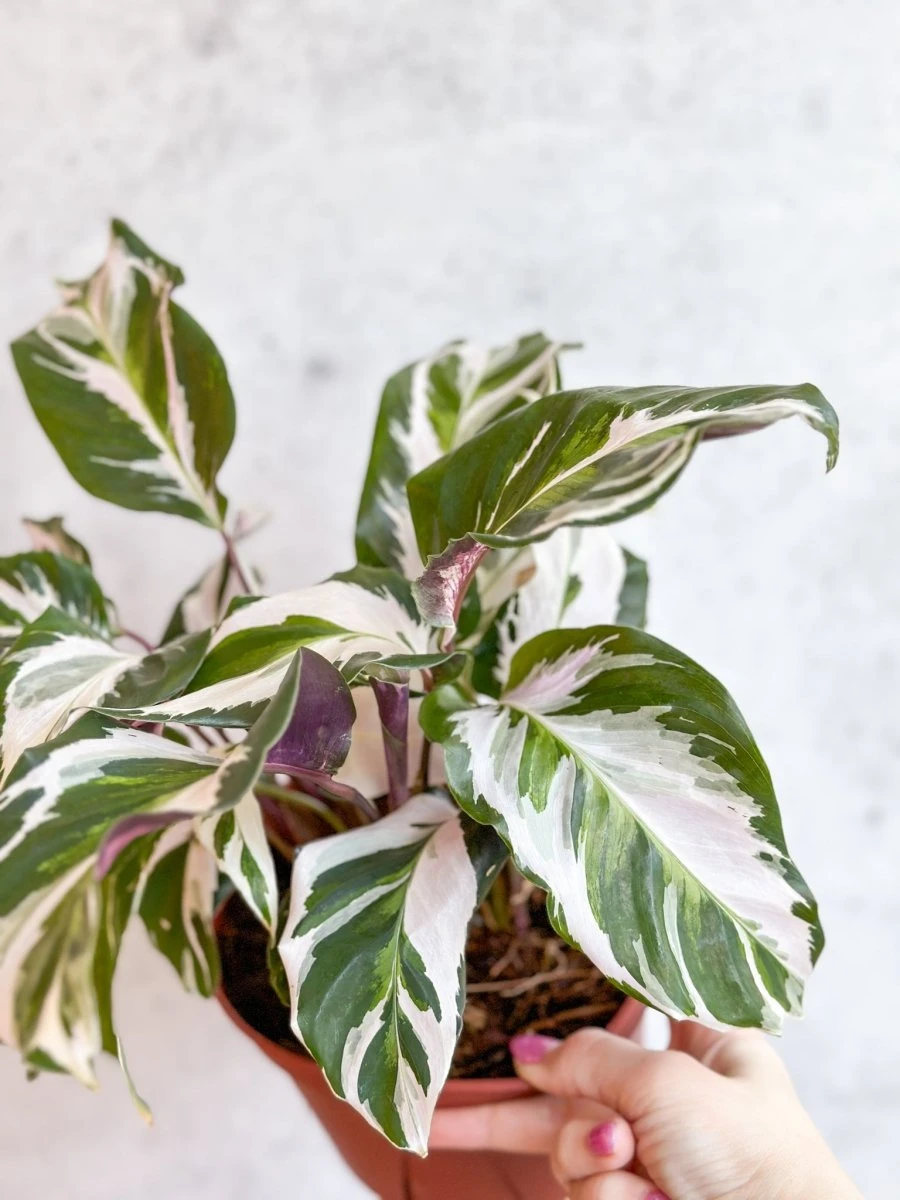
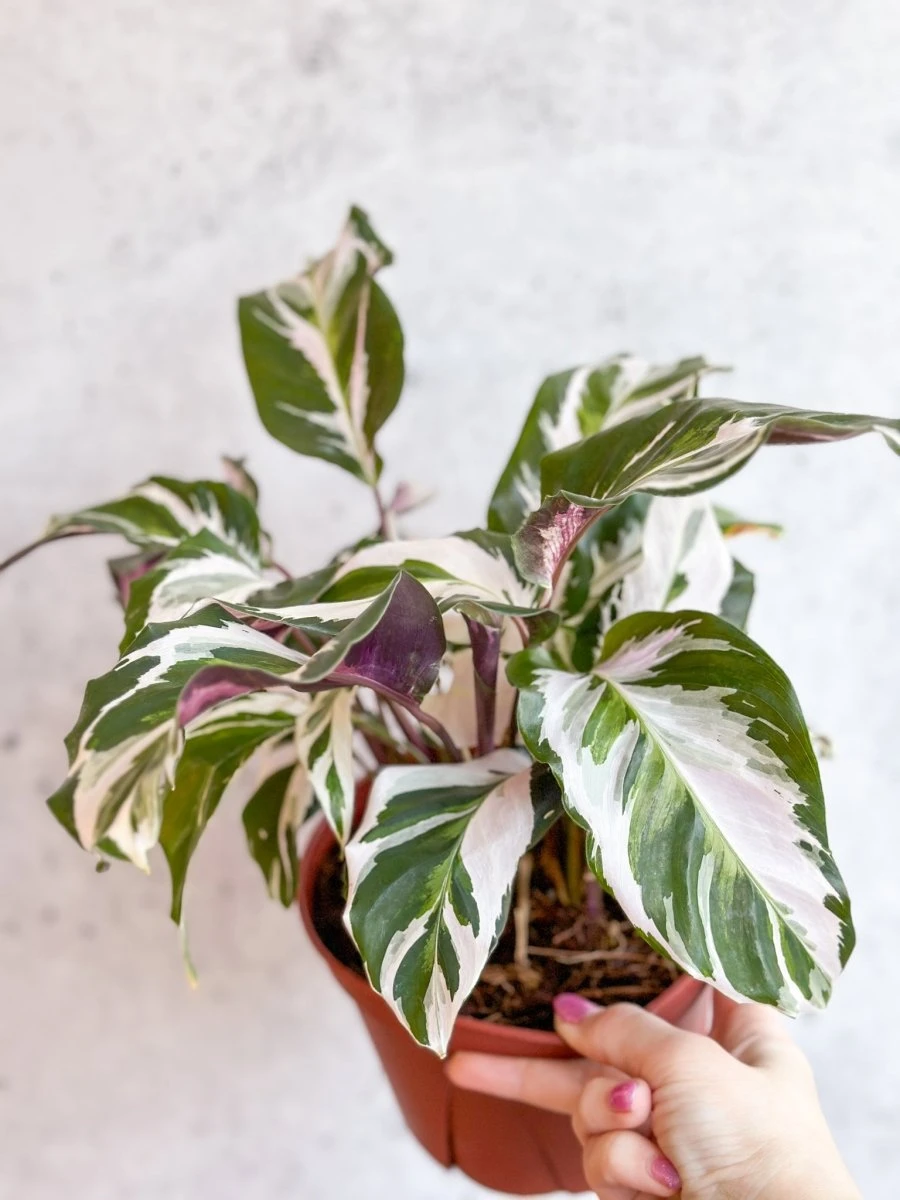
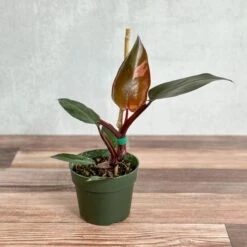
The Calathea Stella (Calathea lietzei ‘Stella’) is a refined and highly sought-after member of the Marantaceae family, prized for its dramatic variegation and graceful leaf movement. Sometimes mistaken for its relative the Calathea ‘White Fusion’, the Stella stands apart with its more stable variegation, broader leaves, and subtle violet undersides that shimmer in the right light. Each leaf is a living artwork—patterned with painterly strokes of green, cream, and silvery white that shift with humidity and light intensity.
What Makes Calathea Stella Unique?
- Botanical Distinction: A cultivated form of Calathea lietzei, known for reliable variegation and elegant leaf form compared to the more temperamental ‘White Fusion.’
- Striking Foliage: Broad, elliptical leaves showcase intricate marbling in green and white, with a soft violet-to-purple hue on the undersides—a hallmark of the species.
- Dynamic Leaf Movement: True to the “prayer plant” family, its leaves gently rise and fold with the rhythm of daylight and darkness.
- Air-Purifying and Pet Safe: Helps improve indoor air quality and is non-toxic to cats and dogs.
Plant Profile
- Scientific Name: Calathea lietzei ‘Stella’
- Common Names: Calathea Stella, Stella Calathea, Prayer Plant
- Family: Marantaceae
- Native Range: Tropical regions of South America
Care and Growing Conditions
- Light: Medium to bright indirect light; avoid direct sun, which can fade the variegation.
- Water: Keep soil evenly moist—never soggy. Allow the top inch to dry slightly before rewatering. Use filtered or distilled water for best results.
- Humidity: High humidity (60–80%) promotes lush growth and vibrant color on the undersides.
- Temperature: Prefers 65–80°F (18–27°C); protect from drafts and cold air.
- Soil: A light, airy, peat- or coco-coir-based mix with perlite or orchid bark for drainage.
- Feeding: Apply a balanced, diluted liquid fertilizer every 2–4 weeks during active growth (spring through summer).
- Growth Habit: Compact and bushy; mature plants reach up to 18–24 inches tall.
- Propagation: Best propagated by root division during repotting.
- Toxicity: Non-toxic to humans and pets.
Note: The purple tone on the leaf undersides may appear more subtle or intense depending on lighting, humidity, and overall plant health. This natural variation is part of the plant’s charm and an indicator of its adaptability.
➡️ For more expert insights, explore our Calathea Care Guide — including detailed watering techniques, humidity solutions, and bottom-watering tips tailored for Marantaceae plants.
| Size | 6" Nursery Pot, 4" Nursery Pot |
|---|
Be the first to review “Calathea Lietzei ‘Stella’ – Stella Calathea”
Related products
Hanging & Trailing Plants
Office Plants

Pet-Friendly Plants

Low-Maintenance Plants
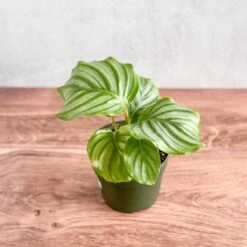
Pet-Friendly Plants
Calathea Orbifolia – Round Leaf Prayer Plant – Various Sizes

Bright Indirect Light Houseplants

Bright Indirect Light Houseplants
Reviews
There are no reviews yet.